Pradinis

Pagalba
Užsisakyk!
- Reklamą
- Hostingą
- El. pašto dėžutę
Užsisakyk!

Įrankiai
Pasidalink
- Visos temos


REKLAMA

PHPFusion - tai laisvai platinama nemokama turinio valdymo sistema (TVS), kurios pagalba galite greitai, lengvai ir
patogiai susikurti norimą internetinį puslapį. Plačiau apie sistemą...
Prisijungti
Šaukykla
LnKnPrK1
2026 Bir. 21 09:06:52
Sveiki, gal kas is administracijos gali parasyti man PM,aciu
minimukas
2026 Vas. 21 08:02:25
oi oi yra dar cia gyvu?
N-20
2026 Vas. 6 21:02:05
O mes dar gyvi )
)
WolfHammer
2026 Sau. 25 01:01:35

Žmogus
2025 Geg. 31 10:05:18
Kas geresnio?
2026 Bir. 21 09:06:52
Sveiki, gal kas is administracijos gali parasyti man PM,aciu
minimukas
2026 Vas. 21 08:02:25
oi oi
yra dar cia gyvu? N-20
2026 Vas. 6 21:02:05
O mes dar gyvi
)WolfHammer
2026 Sau. 25 01:01:35
Žmogus
2025 Geg. 31 10:05:18
Kas geresnio?
Apklausa
Reklama 400x60

Kaip sujungti 7 milijardus žmonių
Parašė  ozzWANTED 2013 lapkričio 14 11:11:54
ozzWANTED 2013 lapkričio 14 11:11:54
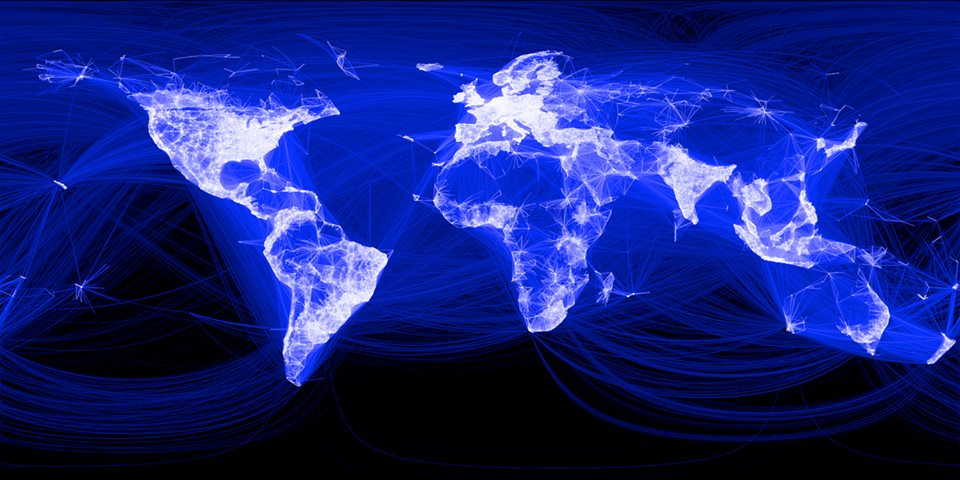
Markas Zuckerbergas, žinomas kaip Facebook įkūrėjas, ne taip ir seniai paskelbė įdomų įdėjų planą/roadmap'ą, kaip sukurti pasaulinį projektą, ypač bandant pritraukti žmones iš mažesnių pasaulio šalių :). Tai kad pasaulio standartai pasikeitė akivaizdu - socialiniai tiklai, mobilieji telefonai, vadinamieji "appsai". Tad su šiais pokyčiai turėtų susigyventi ir juos išnaudoti bet kurio tinklapio kurėjas.
Mano asmeninė nuomonė apie tinklapių ateity per artimiausius 10 metų:
Jeigu Jums atrodo dabar tai neaktualu, pamatysite kad po 10 metų 'vietiniai' (tik šalies lygio tinklapiai) apskritai nebeteks populiarumo, jeigu jie nemastys tapti pasauliniais. One.lt likimas ištiks ne tik delfi.lt, lrytas.lt, kai jie bus suvalgyti bbc.co.uk ar cnn.com, taip pat kaip IT forumai bus suvalgyti stackoverflow'o ir t.t., pasauliniai produktai vis labiau ir labiau veršis į vietines rinkas, ir bus praktiškai nebeįmanoma turėti rinkos savo šalyje, nes visus domins tik pasauliniai standartai. :)
Pilnas straipsnis žemiau:
"Ar galimybė prisijungti prie interneto yra žmonijos teisė?
For almost ten years, Facebook has been on a mission to make the world more open and
connected. For us, that means the entire world — not just the richest, most developed
countries. We’ve made good progress, and today we connect more than 1,15 billion people
through Facebook each month.
connected. For us, that means the entire world — not just the richest, most developed
countries. We’ve made good progress, and today we connect more than 1,15 billion people
through Facebook each month.
But as we started thinking about connecting the next 5 billion people, we realized something
important: the vast majority of people in the world don’t have any access to the internet.
Below, I’ll discuss the state of the internet today, why connectivity is such an important
problem for the world, the major issues we’ll need to solve — technical, social and economic
— and then I’ll outline a rough plan to accomplish this goal.
I’m focused on this because I believe it is one of the greatest challenges of our generation. The
unfair economic reality is that those already on Facebook have way more money than the rest
of the world combined, so it may not actually be profitable for us to serve the next few billion
people for a very long time, if ever. But we believe everyone deserves to be connected.
The state of the internet
Today, only 2,7 billion people — a little more than one third of the world’s population — have
internet access. Even more surprising, internet adoption is growing by less than 9% each year,
which is slow considering how early we are in its development and that it is expected to slow
further.
There are more than 5 billion mobile phones in the world, with almost 4 billion feature phones
and more than 1 billion smartphones. As smartphone prices come down, many people who
currently have feature phones will be able to afford smartphones over the next 5 years.
and more than 1 billion smartphones. As smartphone prices come down, many people who
currently have feature phones will be able to afford smartphones over the next 5 years.
It’s easy to assume that when people get smartphones they’ll also have data access. It’s hard
to even think of what it means to have a smartphone without data. But it’s not a given. Even
though projections show most people may soon have smartphones, the majority of them still
won’t have data access.
This is because, in many countries, the cost of a data plan is vastly more expensive than the
price of a smartphone. In the US, for example, an iPhone with a typical two-year data plan costs
about 5000 Lt, where about 1300 Lt - 1600 Lt of that is the phone and 4500 Lt is the data.
In turn, the vast majority of the prices people pay for data plans go directly towards covering
the tens of billions of dollars spent each year building the global infrastructure to deliver the
internet. Unless this becomes more efficient, the industry cannot sustainably serve everyone.
There is no guarantee that most people will ever have access to the internet. It isn’t going to
happen by itself. But I believe connectivity is a human right, and that if we work together we
can make it a reality.
<...>
The rough plan focuses on three important levers:
- Making internet access affordable by making it more efficient
to deliver data. - Using less data by improving the efficiency of the apps
and experiences we use. - Helping businesses drive internet access by developing a new
model to get people online.
Making internet access affordable
Every year, mobile operators around the world invest tens of billions of dollars building
out networks that deliver better data access. The pricing plans people ultimately see are
dictated by these underlying costs. It isn’t sustainable to reduce the price of data plans and
therefore operators’ revenues without meaningfully improving their costs and the efficiency of
the networks. However, if the industry can collectively make progress here, then it is possible
for operators to build even more profitable models while offering data at significantly lower
costs per megabyte.
Every year, mobile operators around the world invest tens of billions of dollars building
out networks that deliver better data access. The pricing plans people ultimately see are
dictated by these underlying costs. It isn’t sustainable to reduce the price of data plans and
therefore operators’ revenues without meaningfully improving their costs and the efficiency of
the networks. However, if the industry can collectively make progress here, then it is possible
for operators to build even more profitable models while offering data at significantly lower
costs per megabyte.
<..>
Edge caching
It is also possible to build technology that caches data inside an operator’s data center
and makes it faster and cheaper for the operator to serve that data. A big part of Akamai’s
business is to deliver this as a service to companies, but large scale companies like Facebook
also build this capacity for their own networks. We are looking into how to do this in a scalable
way for other non-data-intensive basic internet services as well to meaningfully improve data
performance and efficiency.
and makes it faster and cheaper for the operator to serve that data. A big part of Akamai’s
business is to deliver this as a service to companies, but large scale companies like Facebook
also build this capacity for their own networks. We are looking into how to do this in a scalable
way for other non-data-intensive basic internet services as well to meaningfully improve data
performance and efficiency.
<...>
Using less data
One often overlooked lever for reducing people’s overall data costs is simply using less data.
Part of why we overlook this is because most people building large scale internet services live
in developed countries where we pay for effectively unlimited data plans. When you have an
unlimited data plan, there isn’t much of an incentive to use less data. But most of the world
doesn’t work this way.
Most of the world doesn’t even have credit card infrastructure, so even if many operators
wanted to bill their customers for their data use at the end of a month, they would have no
way to do that. Instead, in most developing countries, people primarily use a pre-paid model,
buy a certain amount of data access on their SIM cards upfront and then use that data over
time. When your SIM card runs out, you either have to pay to refill it or you no longer have
data access.
This creates a data conscious mentality that we often don’t see in developed countries, but it
will be important to internalize this to efficiently deliver services to the next 5 billion people.
will be important to internalize this to efficiently deliver services to the next 5 billion people.
Caching technology
One of our most successful products in developing countries has been Facebook for Every
Phone. This is our version of Facebook for feature phones, and it has more than 100 million
people using it each month and growing, despite the fact that every month 20% of the people
using it leave it to get a smartphone and use one of our smartphone apps instead.
Phone. This is our version of Facebook for feature phones, and it has more than 100 million
people using it each month and growing, despite the fact that every month 20% of the people
using it leave it to get a smartphone and use one of our smartphone apps instead.
People with feature phones are very cost conscious, so one of the most important things we’ve
done has been to make this experience use as little data as possible by caching data efficiently
so we can be very careful about which data we ever have to request from our servers. And
when we do make requests, we make sure they’re very efficient as well.
The technology behind Facebook for Every Phone is generally applicable, and we’re looking at
ways to make this available so other apps can be as data efficient as well.
Data compression
Compression is another big lever for reducing overall data use. The main reasons many app
developers don’t compress the data they serve is that doing so requires some effort to build,
makes code marginally harder to debug and has a small negative impact on performance.
However, in data conscious developing countries, this is a large opportunity.
Modern text compression frequently yields results of %)*.)% — or almost #x savings —
and in some cases even more. Implementing compression in large scale apps or developing
services that you route all your data through and compress everything would yield large data
use savings.
Efficiency optimization
Another, less elegant but necessary tactic is just focusing on making the most frequently used
apps consume less data in the first place. Since most developers of large scale services are
based in developed countries where data usage is a less important aspect of performance than,
say, speed or server efficiency, we’ve found that many frequently used apps have had little or
no data usage optimization.
For example, at the beginning of this year, our Facebook for Android app used about !$MB per
day on average. This is a lot, but it’s not completely unreasonable given the number of photos
in the typical experience. By simply focusing on improving data usage, we expect to be able to
reduce this to about !MB per day. If we offer a special variant with fewer photos in developed
countries, we will be able to reduce it even further. But even without that, we expect to be able
to reduce our data usage by more than 10x through this effort alone.
Helping businesses drive access
In addition to all the technology improvements that are necessary to make internet access
available to everyone, there are also social and cultural issues that are necessary to overcome.
If you’ve grown up in an area where you’ve never had a computer or access to the internet,
then if someone asks you if you want a data plan, chances are you wouldn’t know what they’re
talking about. The internet and data are abstract concepts. Most people don’t want data; they
want the services you can use it for.
However, if you ask the same person if they want Facebook access, they’re more likely to say
yes. Besides communicating through phone calls and text messages, which you can already do
with any phone, connecting with the people around you through a social network is a basic
human behavior. It’s not a surprise that people intuitively want this even if they don’t
understand what data is.
The question is: can we align everyone’s incentives? Can more people get the services they
want and then discover new uses for the internet, so that phone makers can get better phones
into people’s hands and mobile operators can get more customers and more profits to further
invest in building out infrastructure?
Zero-rating data
We think this model exists. We’ve already seen results where attaching free data for Facebook
— what we’ve historically called zero-rating — increases both phone sales profits and data plan
profits.
From there, it shouldn’t be much of a stretch to also offer a broader set of basic internet
services as well once the industry achieves the kinds of cost efficiencies described above. Most
people in developing countries probably consume more data using Facebook than from all
other non-data-intensive services combined.
Credit and identity infrastructure
Over time, we may be able to help improve some of the social infrastructure that is still
nascent in many developing countries. The lack of credit infrastructure prevents operators
from offering post-paid models that could enable them to make longer term investments
in their customers. And while operators know some information about their customers, the
pre-paid model prevents them from knowing who their customers are. Giving people the ability
to link their Facebook or other accounts with operators could help solve these problems and
make it easier to provide better service.
Incentive alignment
- This is good for people because they’ll have an affordable way and a reason to connect to the internet and join the global knowledge economy.
- This is good for mobile operators because they’ll have more customers who want to buy more data, which will increase their profits and help them invest in building out the networks.
- This is good for phone manufacturers and technology providers because more people will
want better devices, which will push the industry forward. - This is good for internet services because the efficiencies we’ll all drive will make it easier and cheaper for the next 5 billion people to access their services.
- This is good for the world because everyone will benefit from the increased knowledge,
experience and progress we make from having everyone connected to the internet.
Conclusion
I hope this rough plan can serve as a blueprint for some of what we’ll all need to do to connect
the next 5 billion people.
We are excited to hear your feedback and ideas. We know this plan will evolve, but we are
deeply committed to finding a path to connect everyone in the world.
I think that connecting the world will be one of the most important things we all do in our
lifetimes, and I’m thankful every day to have the opportunity to work with all of you to make
this a reality.
— Mark Zuckerberg"
Toliau - dalyje "Plačiau".
7 Komentarai · 2250 Skaityta ·

Komentarai
ozzWANTED
2013 lapkričio 15 16:11:19
Katra vieta buvo pieva?
Teiginys, kad reikia mažinti domenų srauto dydį, ruošti mob. versijas tinklapių, panaudoti naršyklių kešavimą, gzip'inimą ir t.t.?
Teiginys, kad norint sujungti 7 milijardus žmonių reikia naujo požiūrio į projektą, ir duomenų kiekį?
Zukenbergas, sugebėjo sujungti virš milijardo žmonių į vieną tinklapį. Tai manau, nemažas pasiekimas.. Ir manau jo idėjomis pasidomėti yra naudinga . Galima galbūt nesutikti su jomis. Bet kaip CEO, jis buvo prieš tai ir programuotojas. Taip kad čia "Php developerio" žodžiai .
Katra vieta buvo pieva?
Teiginys, kad reikia mažinti domenų srauto dydį, ruošti mob. versijas tinklapių, panaudoti naršyklių kešavimą, gzip'inimą ir t.t.?
Teiginys, kad norint sujungti 7 milijardus žmonių reikia naujo požiūrio į projektą, ir duomenų kiekį?
Zukenbergas, sugebėjo sujungti virš milijardo žmonių į vieną tinklapį. Tai manau, nemažas pasiekimas.
. Ir manau jo idėjomis pasidomėti yra naudinga . Galima galbūt nesutikti su jomis. Bet kaip CEO, jis buvo prieš tai ir programuotojas. Taip kad čia "Php developerio" žodžiai .
Pakartoti slaptažodį
2013 lapkričio 16 16:11:21
nu ir kokia čia naujiena? geriausiu atveju straipsnis, ir tai neišverstas, tad nieko čia nepadarei. visiškai. ir dar tie tavo smailai... rly?
nu ir kokia čia naujiena? geriausiu atveju straipsnis, ir tai neišverstas, tad nieko čia nepadarei. visiškai. ir dar tie tavo smailai... rly?
Director
2013 lapkričio 17 13:11:56
Gerai, Zukui pasisekė sujungti milijardą žmonių į tą šūdo krūva facebook. Nieko nesakau, bet didelė dalis jau išsiregistravo iš to fb, ar daugelis net nebesinaudoja. Asmeniškai aš tame Facebook egzistavau dėl TexasHoldem, bei Criminal Case žaidimukų, laikui prastumti. O šiaip, ten visiška tuštybė yra, žiūrėti kas ką sharinasi ir panašiai, kaip merginos metasi į dieną po 5-6naujas nuotraukas, kad tik gautu daugiau LIKE. Ateis laikas, kad tas fb nebebus toks populiarus, nes išlys kasnors naujo į erdvę
O beto yra tinklapis GOOGLE. kuriuo naudojasi daugiau nei 5milijardai pasaulio žmonių Kiekviena dieną kiekvienas naršome toje google, ir ieškome to ko mums reikia. Taip, kad keista nereikalinga naujiena, kuri turbūt taip ir liks tiesiog burbulu.
Gerai, Zukui pasisekė sujungti milijardą žmonių į tą šūdo krūva facebook. Nieko nesakau, bet didelė dalis jau išsiregistravo iš to fb, ar daugelis net nebesinaudoja. Asmeniškai aš tame Facebook egzistavau dėl TexasHoldem, bei Criminal Case žaidimukų, laikui prastumti. O šiaip, ten visiška tuštybė yra, žiūrėti kas ką sharinasi ir panašiai, kaip merginos metasi į dieną po 5-6naujas nuotraukas, kad tik gautu daugiau LIKE. Ateis laikas, kad tas fb nebebus toks populiarus, nes išlys kasnors naujo į erdvę
O beto yra tinklapis GOOGLE. kuriuo naudojasi daugiau nei 5milijardai pasaulio žmonių
Kiekviena dieną kiekvienas naršome toje google, ir ieškome to ko mums reikia. Taip, kad keista nereikalinga naujiena, kuri turbūt taip ir liks tiesiog burbulu.
Director
2013 lapkričio 17 13:11:30
Beto prieš skelbdamas tokio dydžio naujieną, kuri tau pasirodė AMAZING. Galėtum bent jau išversti ją, ir lietuvos php-fusion nariams ją pateikti lietuvių kalba
Beto prieš skelbdamas tokio dydžio naujieną, kuri tau pasirodė AMAZING. Galėtum bent jau išversti ją, ir lietuvos php-fusion nariams ją pateikti lietuvių kalba
Niger
2013 lapkričio 17 16:11:27
Tingi jis verst... tipo pats kiets moka anglu, kiti jam nerupi tsakant
Tingi jis verst... tipo pats kiets moka anglu, kiti jam nerupi tsakant
ozzWANTED
2013 gruodžio 3 02:12:40
Šios naujienos esmė aktuali visiems, kas galvoji apie 'pasaulinių' web tinklapių kūrimą. T.y. kurie ne tik Lietuvoje veiktų. Ir šiame straipsnyje yra daug naudingų patarimų į ką reikia koncentruotis kuriant tokį tinklapį. O vertinti Facebook ir jo naudą/nenaudą tai jau atskira diskusija. Statiškai faktas toks, kad dabar 1 iš 2 kuriamų tinklapių yra Facebook puslapis. Ir tik kas antras yra realus puslapis atskirame serveryje. Nes žmonės siekia teikti paslaugas, ir jiems pasiekti savo auditoriją Facebook tampa lengviausiu keliu. O štai jaunimo tarpe 14-17 metų yra Instagram ir panašių tinklų kultas, ir jie Facebook naudojasi vis rečiau.
O dėl vertimo, tai manau tai geriau nei "Google Translate". O versti pačiam - užtrunka laiko. Bet statistiškai daugiau nei 80 proc. 15-30 metų žmonių Lietuvoje supranta anglų kalbą, tad nematau čia bėdos . Lietuviška versija geriau, bet tam reikia daugiau iniciatyvos .
Šios naujienos esmė aktuali visiems, kas galvoji apie 'pasaulinių' web tinklapių kūrimą. T.y. kurie ne tik Lietuvoje veiktų
. Ir šiame straipsnyje yra daug naudingų patarimų į ką reikia koncentruotis kuriant tokį tinklapį. O vertinti Facebook ir jo naudą/nenaudą tai jau atskira diskusija. Statiškai faktas toks, kad dabar 1 iš 2 kuriamų tinklapių yra Facebook puslapis. Ir tik kas antras yra realus puslapis atskirame serveryje. Nes žmonės siekia teikti paslaugas, ir jiems pasiekti savo auditoriją Facebook tampa lengviausiu keliu. O štai jaunimo tarpe 14-17 metų yra Instagram ir panašių tinklų kultas, ir jie Facebook naudojasi vis rečiau.O dėl vertimo, tai manau tai geriau nei "Google Translate"
. O versti pačiam - užtrunka laiko. Bet statistiškai daugiau nei 80 proc. 15-30 metų žmonių Lietuvoje supranta anglų kalbą, tad nematau čia bėdos . Lietuviška versija geriau, bet tam reikia daugiau iniciatyvos .Rašyti komentarą
Prisijunkite, norėdami parašyti komentarą.
Reitingai
Balsuoti gali tik nariai.
Prašome prisijungti arba prisiregistruoti.
Prašome prisijungti arba prisiregistruoti.
|

